How to choose ski boots that actually fit
- 24 Nov, 2025
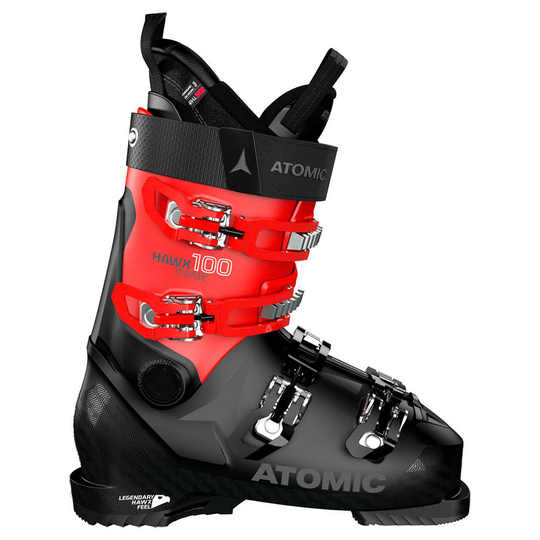
Ask experienced skiers which piece of kit matters most and many will say the boots, not the skis. Boots transfer every movement of your legs to the skis, and a pair that fits badly can ruin a holiday with cold toes, sore shins and tired legs before lunch. With the new season approaching, now is a good time to sort out your boots. Here is how to choose a pair that fits well and suits the way you ski.
Start by measuring your feet
Ski boots are usually sized in mondo point, which is simply the length of your foot in centimetres. To measure, stand on a sheet of paper with your heel against a wall, mark the tip of your longest toe and measure the distance. Do both feet, as they are often slightly different, and use the larger measurement. It is also worth noting the width of your foot at its widest point.
Measure in the afternoon or evening if you can, when feet are typically at their largest, and wear the thin ski socks you plan to use on the mountain.
Understand flex and width
Two numbers or descriptions on a ski boot tell you a lot about how it will feel:
- Flex: how stiff the boot is when you bend your ankle forward. A softer flex is more forgiving and comfortable for beginners and relaxed cruising. A stiffer flex gives more precise control at higher speeds and suits stronger, more aggressive skiers. Flex ratings are not fully consistent between brands, so treat them as a guide.
- Last width: the internal width of the boot at the front of the foot. Manufacturers often describe boots as narrow, medium or wide fit. Choosing the right width makes a big difference to comfort and warmth.
Be honest about your ability. Many recreational skiers end up in boots that are stiffer than they need, which makes skiing harder work rather than easier. You can compare models across brands in our alpine ski boots category.
How to try boots on properly
Trying on ski boots is different from trying on everyday shoes. Take your time and follow these steps:
- Wear one pair of thin ski socks. Thick socks reduce warmth and control rather than adding comfort.
- Open all the buckles fully and slide your foot in, then kick your heel back into the heel pocket.
- Fasten the buckles firmly but not tightly, starting with the ones over the instep, then the power strap at the top.
- Stand up and flex your knees forward into the front of the boot, as you would when skiing.
- In a skiing stance your toes should just brush the front of the boot. When standing upright they may touch. That is normal.
- Keep the boots on for at least 15 to 20 minutes. Pressure points often only show up after a while.
Your heel should stay down when you flex forward. If it lifts noticeably, the boot is probably too big or too wide.
Common fitting mistakes
The most common mistake is buying boots that feel comfortable straight away in the shop, like a slipper. New liners pack out and compress with use, so a boot that is roomy on day one often becomes loose after some time on the slopes. A snug fit at the start is usually the right choice.
Other mistakes include choosing boots by looks or brand alone, ignoring a painful pressure point in the hope that it will go away, and skipping the try on altogether. If a boot is close to right but has one sore spot, a specialist boot fitter can often adjust the shell or liner, and custom footbeds can improve both comfort and support.
Look after them
Once you have found the right pair, dry the liners after every day of skiing, buckle the boots loosely when storing them so the shell keeps its shape, and keep them somewhere cool and dry over the summer. Well cared for boots stay comfortable for many seasons. When you are ready to sort out the rest of your setup, take a look at our ski bindings and have them adjusted to your new boots by a qualified technician.